T-ONE Blog

Check out our latest news!

How Media Knowledge Boosts Advertising Efficiency

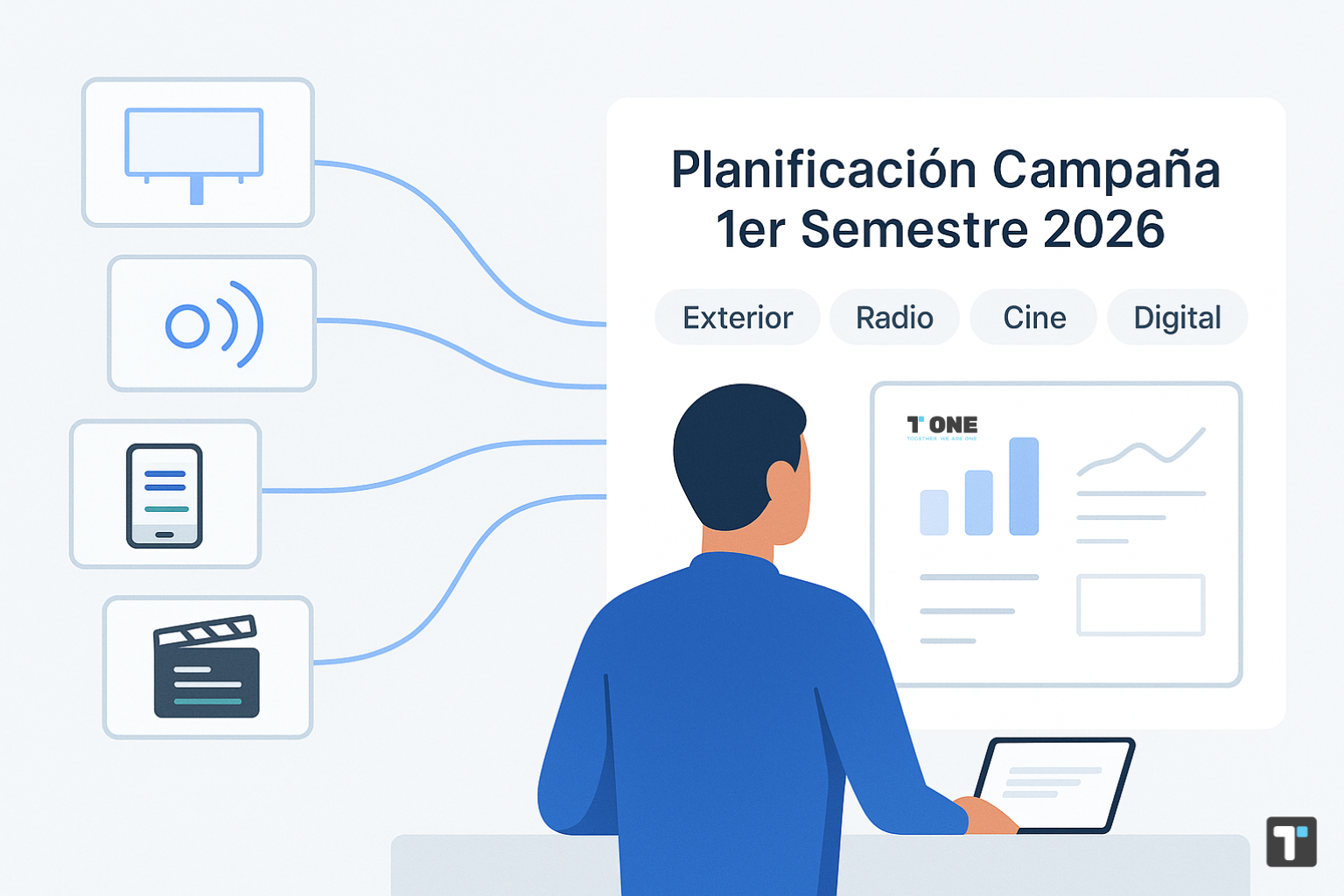
In the fast-paced world of advertising, creating effective campaigns goes beyond selecting popular channels or segmenting audiences based on basic demographics. The true differentiator lies in understanding deeper details: media knowledge. This strategic perspective not only maximizes the return on investment (ROI) of advertising campaigns but also allows businesses to evaluate opportunity costs, ensuring that every euro spent is optimized. In this article, we explore how integrating this critical strategy into your campaigns can enhance advertising efficiency, using practical examples and actionable methods.

Audience Segmentation: The Key to an Efficient Advertising Market

In today’s advertising market, audience segmentation has shifted from being an optional tool to becoming the cornerstone of any successful strategy. From the emergence of digital platforms to the rise of artificial intelligence and big data, the ability to identify and target specific audiences has profoundly transformed how advertising campaigns are planned and how media spaces are marketed. This article explores the development of the advertising market around segmentation, which media outlets have benefited or been disadvantaged by it, and why this practice is essential for advertisers, media companies, and the market as a whole.

What is DOOH and how SMEs and local media can benefit from it?

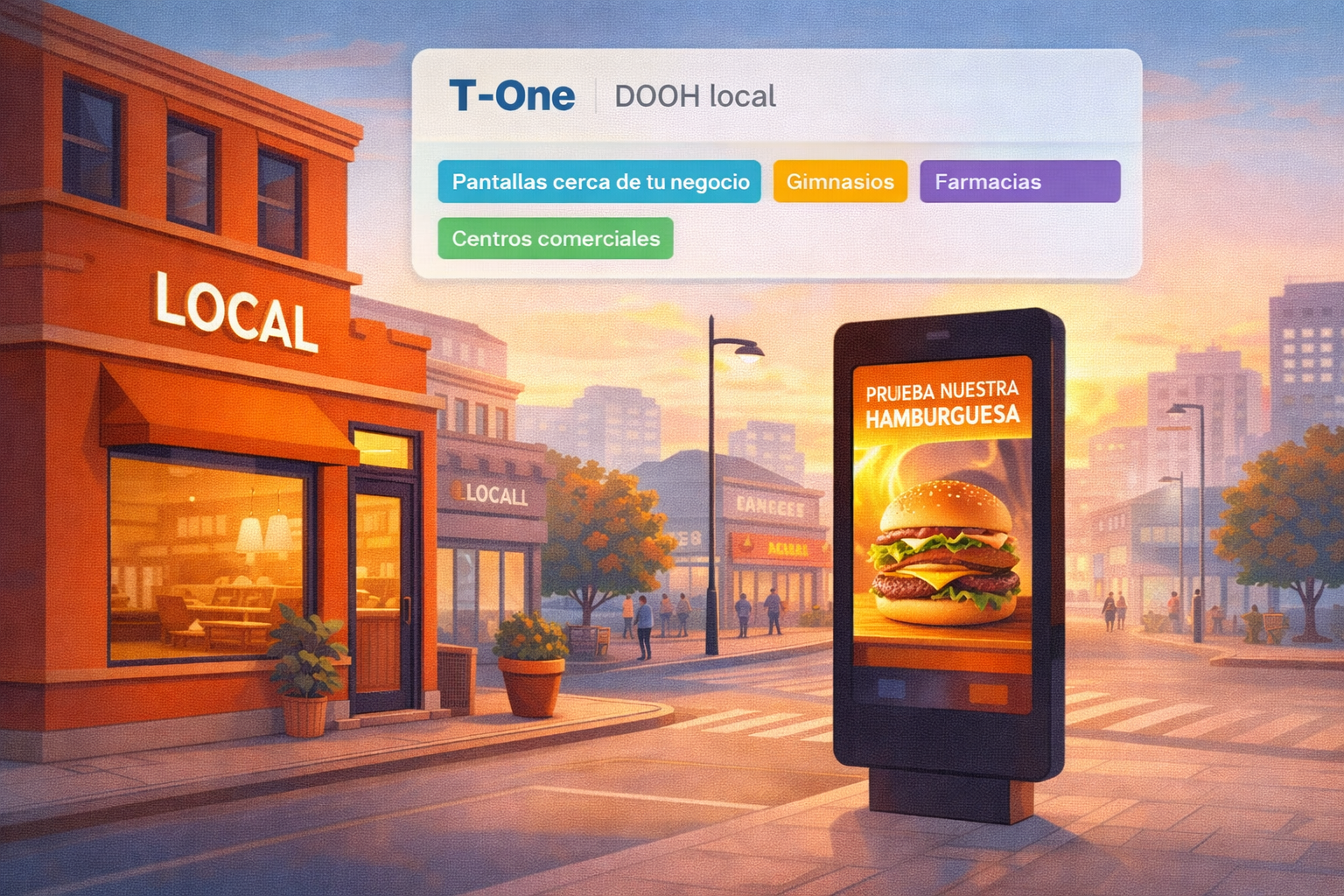
Discover what DOOH is and how SMEs and local media can use digital screens to increase revenue or attract customers. Clear, practical guide. If you run an SME or manage a local OOH asset, you probably see digital screens all over your city: street totems, screens in shopping centres, digital bus shelters, monitors in pharmacies or gyms. And you might be thinking that DOOH is: “only for big brands”, too complex or too expensive, or something that has nothing to do with your day-to-day reality. The truth in Spain and Latin America is quite different: DOOH has become more accessible, flexible and local than ever. The key is not just having screens, but connecting that inventory with the right demand in a smart way.

“Advertising marketplace” for SMEs: how to move beyond Google/Meta into other media

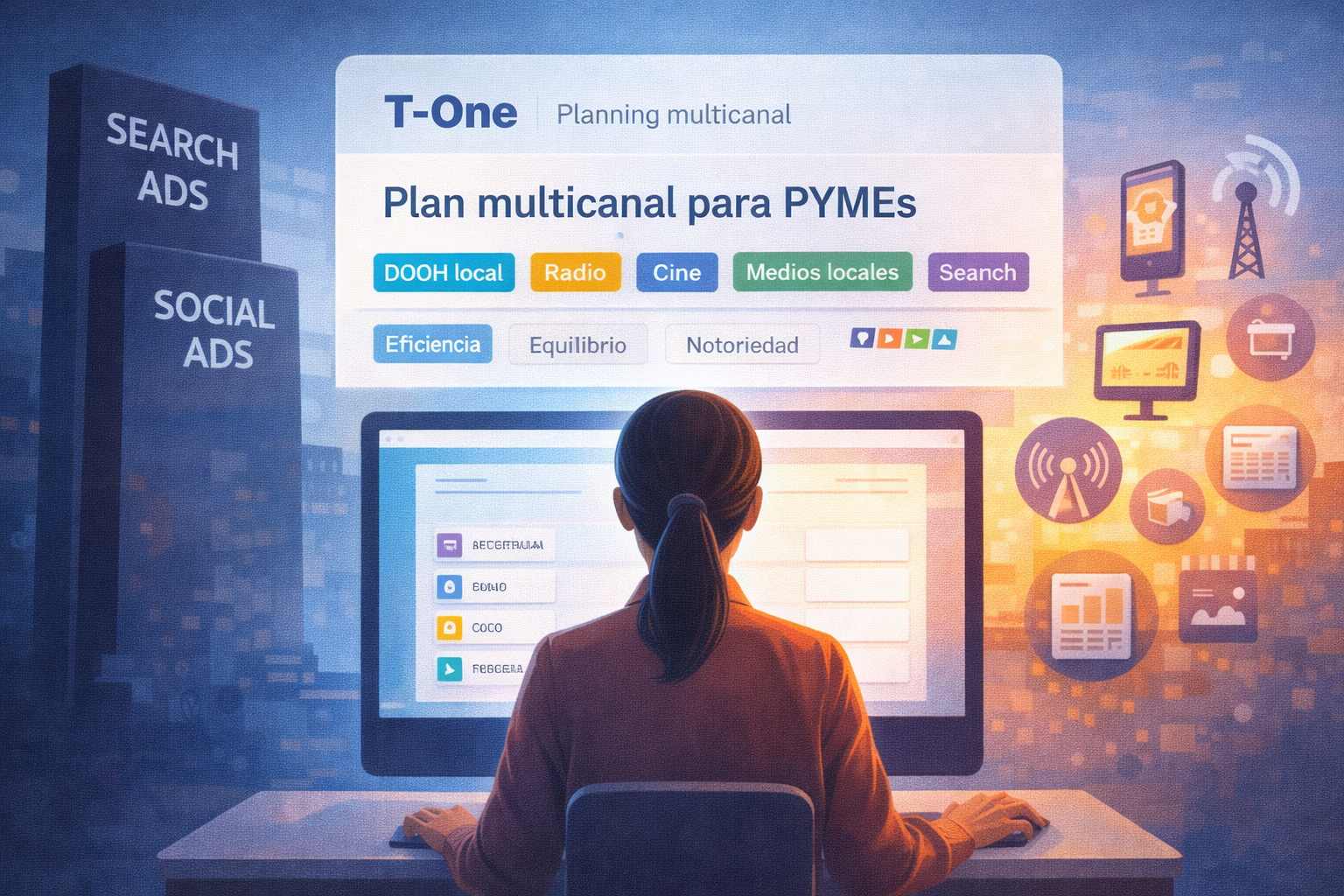
A guide for SMEs that want to move beyond Google and Meta. What an “advertising marketplace for SMEs” really means and how T-One helps you plan multichannel campaigns. Introduction Most SMEs depend almost 100% on Google and Meta. Those platforms are: simple, fast, designed to capture small advertisers. The problem is that when you only use these two platforms, your growth is tied to their rules: crowded auctions, rising CPCs, limited audiences, unpredictable algorithm changes. And even with increasing investment, Google and Meta don’t give you real-world presence where your customers live, move and consume other media. That’s why more and more businesses search for something like an “advertising marketplace for SMEs”: a place where they can see other media options, compare prices and buy placements without going crazy. The key is to understand what that should actually offer – and where T-One fits in.

Transparency and meritocracy in the advertising market: from media rating to partner rating

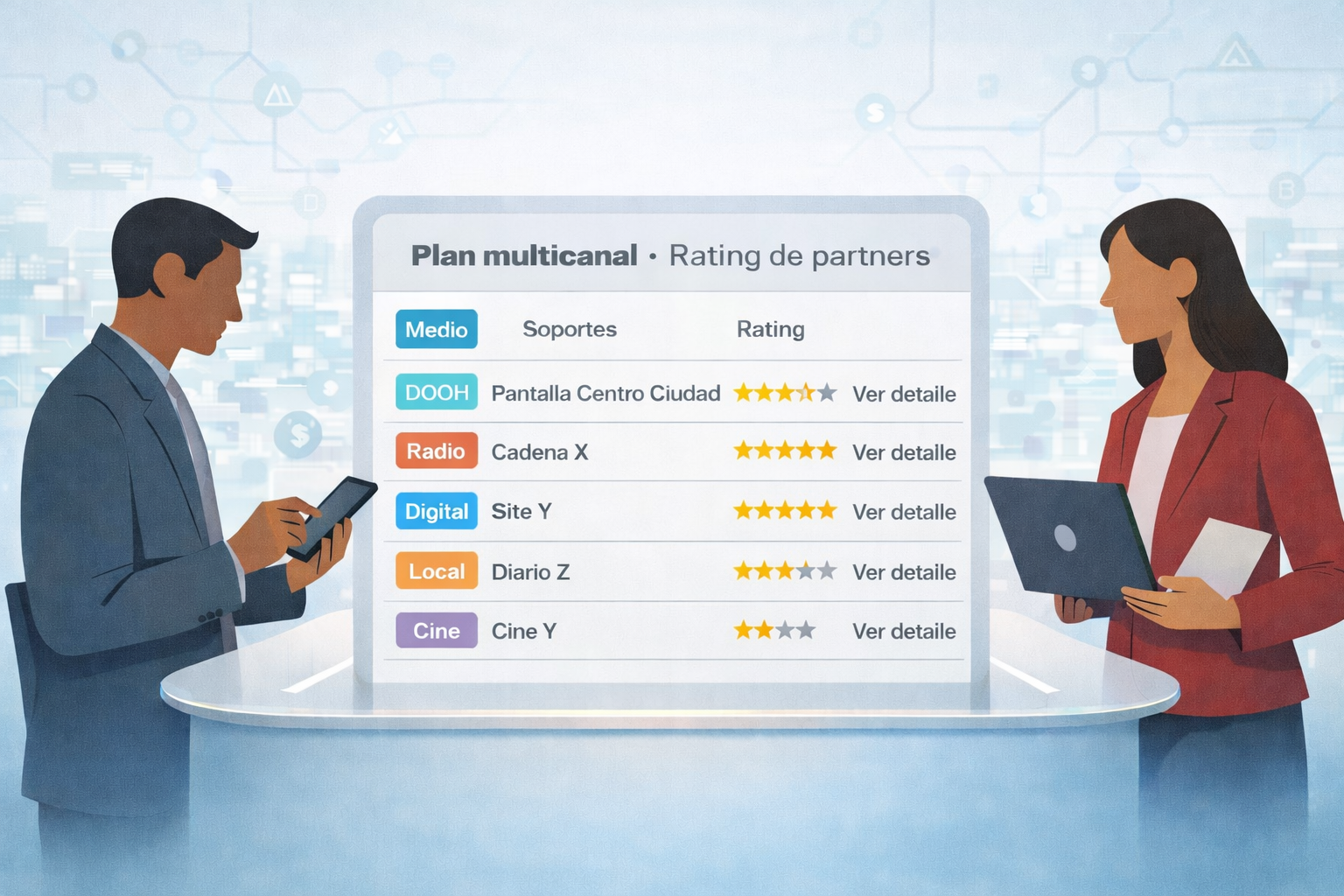
How to move towards a transparent and meritocratic advertising market. Leave programmatic opacity behind and evaluate partners by real context and behaviour. Introduction Programmatic opacity has created an advertising market where: - fees multiply along the chain, - media owners lose control over how their inventory is sold, - advertisers are not always sure where their ads are actually running, - and agencies depend on private deals that are hard to audit. The result is an ecosystem where trust erodes and the real value of each media partner is diluted between intermediaries and technical layers. If we want a healthier market, we don’t just need new tools. We need to change how we evaluate each actor in the chain.